Farm Costs Are Under Pressure – How Planning Ahead and Flexible Payments Can Help
Farming has never been a business where costs arrive neatly at the right time.
And after another challenging season, managing when money comes in and goes out is becoming increasingly important for many UK dairy businesses.
The weather has created its own set of challenges this year. Dry conditions and variable grass growth across parts of the UK have put pressure on grazing and forage availability, with some livestock businesses having to use feed originally intended for later in the year.
At the same time, the everyday costs of running a farm haven’t gone away.
Fuel, feed, machinery maintenance, tyres, replacement parts, labour and other essential inputs all have to be accounted for. Add changing milk prices and wider market uncertainty into the equation and there’s a strong argument for keeping a close eye on working capital in the months ahead.
For many farming businesses, good cash flow management isn’t simply about spending less. It’s about planning expenditure, protecting working capital and making sure the farm has what it needs, when it needs it.
Weather Adds Another Layer of Cost Pressure
One thing farmers can’t control is the weather – and 2026 has provided another reminder of that.
Prolonged dry conditions have affected grass growth considerably in some areas. For dairy farms, that can have consequences beyond what’s happening in the field today.
Where grazing is limited, additional feed may be required. Where forage intended for winter is being used earlier than planned, stocks may need reassessing. And if conditions influence when cattle are housed, autumn and winter requirements can change too.
The impact will be different on every farm, but the principle is the same: unexpected conditions can quickly create unexpected costs.
That’s before the usual expenditure on machinery, servicing, tyres, fuel, labour and essential farm supplies is taken into account.
It makes forward planning particularly valuable.
Cash Flow Matters When Costs Don’t Wait
Every farming business experiences peaks and troughs throughout the year.
Income fluctuates with market conditions, contracts and seasonal factors, while expenditure doesn’t always arrive at a convenient time.
A tractor still needs repairing. Worn tyres still need replacing. Machinery needs servicing. Feed needs buying. And as autumn approaches, housing and winter supplies need thinking about too.
Delaying necessary expenditure can sometimes create a false economy – particularly where it leads to downtime, larger repair bills or having to make purchasing decisions at short notice.
Where possible, knowing what’s coming and planning for it can give the business more control.
That’s where having the option to spread the cost of certain purchases can be useful.
August Is a Good Time to Look Ahead
There’s plenty happening on farm during the summer, so thinking about winter can easily remain a job for another day.
But August is a useful point to take stock.
For dairy businesses, that could mean looking at forage stocks, reviewing housing, checking machinery and considering what supplies will be needed when cattle come inside.
Bedding is one of those requirements worth thinking about ahead of time.
How much did you use last winter? Have cow numbers changed? Is there enough storage available? Is there stock carried over? And what are you realistically likely to require through the coming housing period?
It doesn’t mean trying to predict exactly when cows will come in.
It’s simply about getting another winter requirement organised while there’s still time to plan.
For customers looking to purchase bedding, cubicle conditioner or other essential products ahead of autumn and winter, spreading the cost can also help avoid one larger payment landing at the same time as other seasonal farm expenditure.
Spreading the Cost Over Three Months
At Platts Agriculture, we’ve worked alongside the agricultural industry for decades, so we understand that flexibility can make a genuine difference to a farming business.
That’s why more than 250 farming customers have already used our Direct Debit Payment Plan.
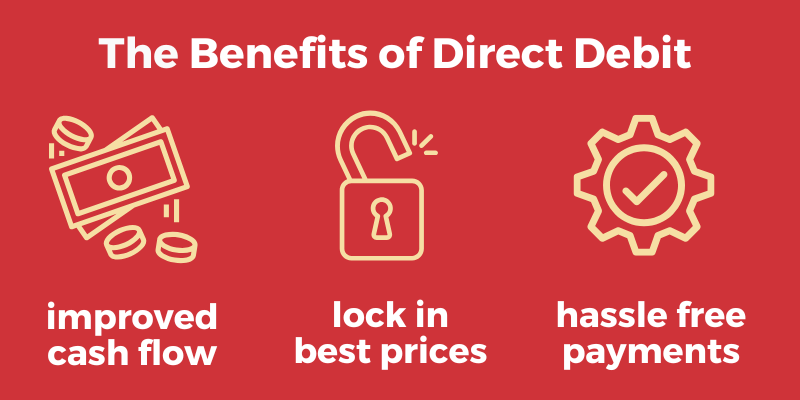
Rather than paying the full cost of an eligible purchase upfront, customers can spread the cost over three monthly Direct Debit payments.
It’s a straightforward way of helping manage expenditure while keeping more working capital available within the business.
Depending on what your farm needs, that could include purchases such as machinery, tyres, bedding, cubicle conditioner and essential servicing.
Why Spread the Cost?
Spreading a planned purchase over three months can help a farming business:
- Protect working capital for other farm expenses.
- Make monthly expenditure easier to plan.
- Reduce the impact of a larger one-off invoice.
- Continue with essential maintenance and purchases when they’re needed.
- Keep cash available for costs such as feed, fuel, wages and other day-to-day expenditure.
- Plan ahead for autumn and winter requirements rather than waiting until they become urgent.
It isn’t about encouraging unnecessary spending.
It’s about giving farming businesses another option for managing the timing of expenditure they were already planning to make.
Planning Ahead Builds Resilience
If there’s one thing agriculture is used to, it’s adapting.
Weather changes. Markets move. Input costs fluctuate. Machinery breaks down. Farm requirements change.
No payment plan can remove those uncertainties.
But having a clearer idea of upcoming requirements – and greater flexibility over when some of those costs are paid – can make them easier to manage.
As we head towards autumn, now is a good opportunity to look at what’s likely to be needed over the coming months.
That might mean getting machinery ready, reviewing tyres, checking winter forage stocks or beginning to calculate bedding requirements for housing.
The jobs planned in August are often easier to deal with than the jobs that become urgent in October.
Speak to the Platts Agriculture Team
If you’re planning an essential purchase or starting to think about your autumn and winter requirements, speak to the Platts Agriculture team about our Direct Debit Payment Plan.
We’ll explain how the scheme works, answer your questions and help you understand whether spreading the cost over three monthly payments is suitable for your business.
With more than 250 farming customers already using the scheme, we’re pleased to offer another practical way for farmers to manage expenditure and plan ahead.
And if winter bedding is already on your list, now is a good time to talk to us about your expected requirements for the coming housing season.
Get in touch with the Platts Agriculture team to find out more about the Direct Debit Payment Plan, discuss your next purchase or start planning your winter bedding requirements.